

Taiko Programs
Watsonville Taiko offers classes for both adults and children
Adult Classes
Recreational Drumming Program
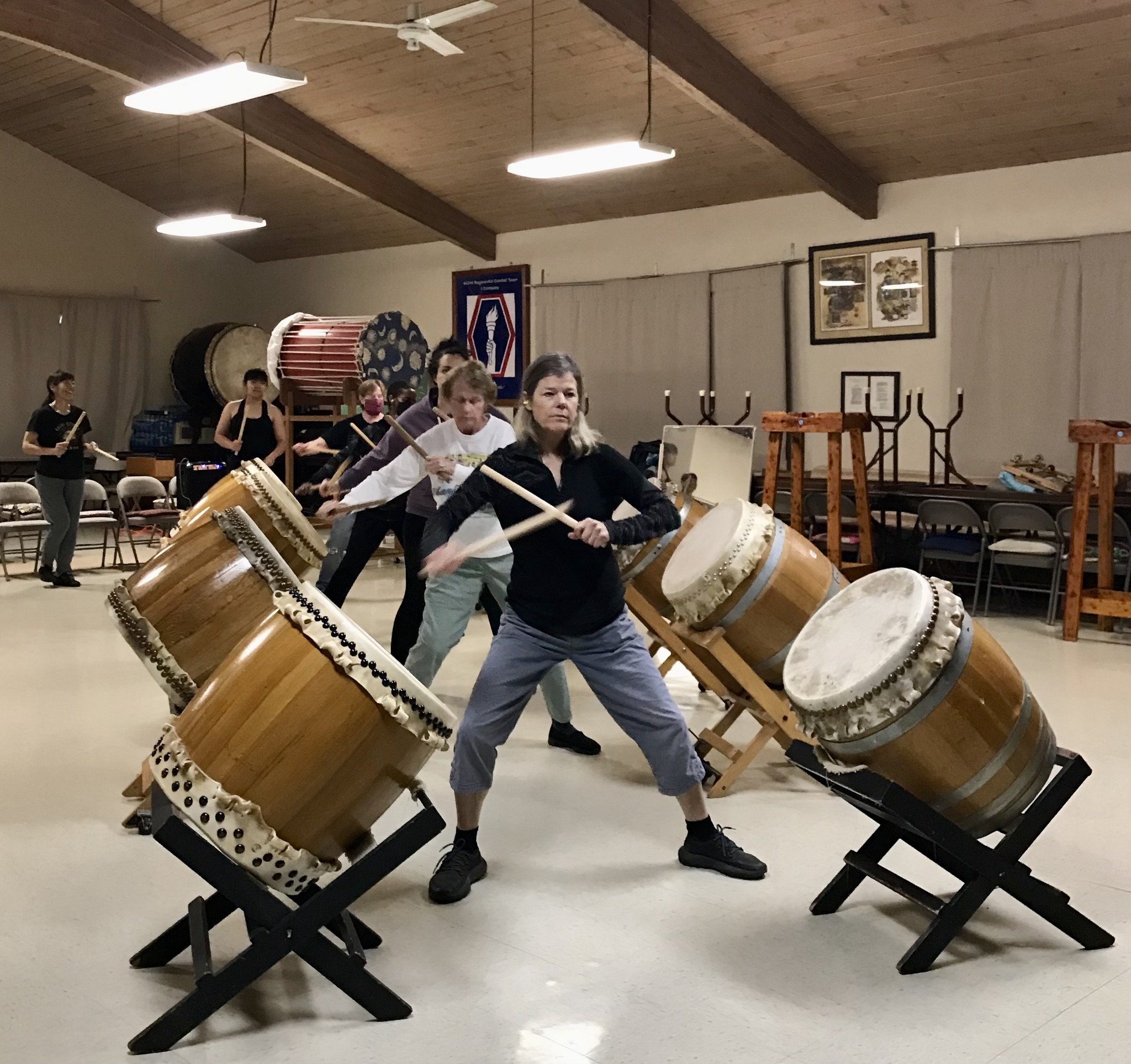
Taiko is a full-body discipline. Students learn various aspects of taiko training: rhythm, forms, coordination, endurance, and focus. Kuchishoga, the traditional method of singing the taiko notes, is introduced to learn music pieces. Breathing exercises are emphasized to improve movement and form.
Community Performer’s Program
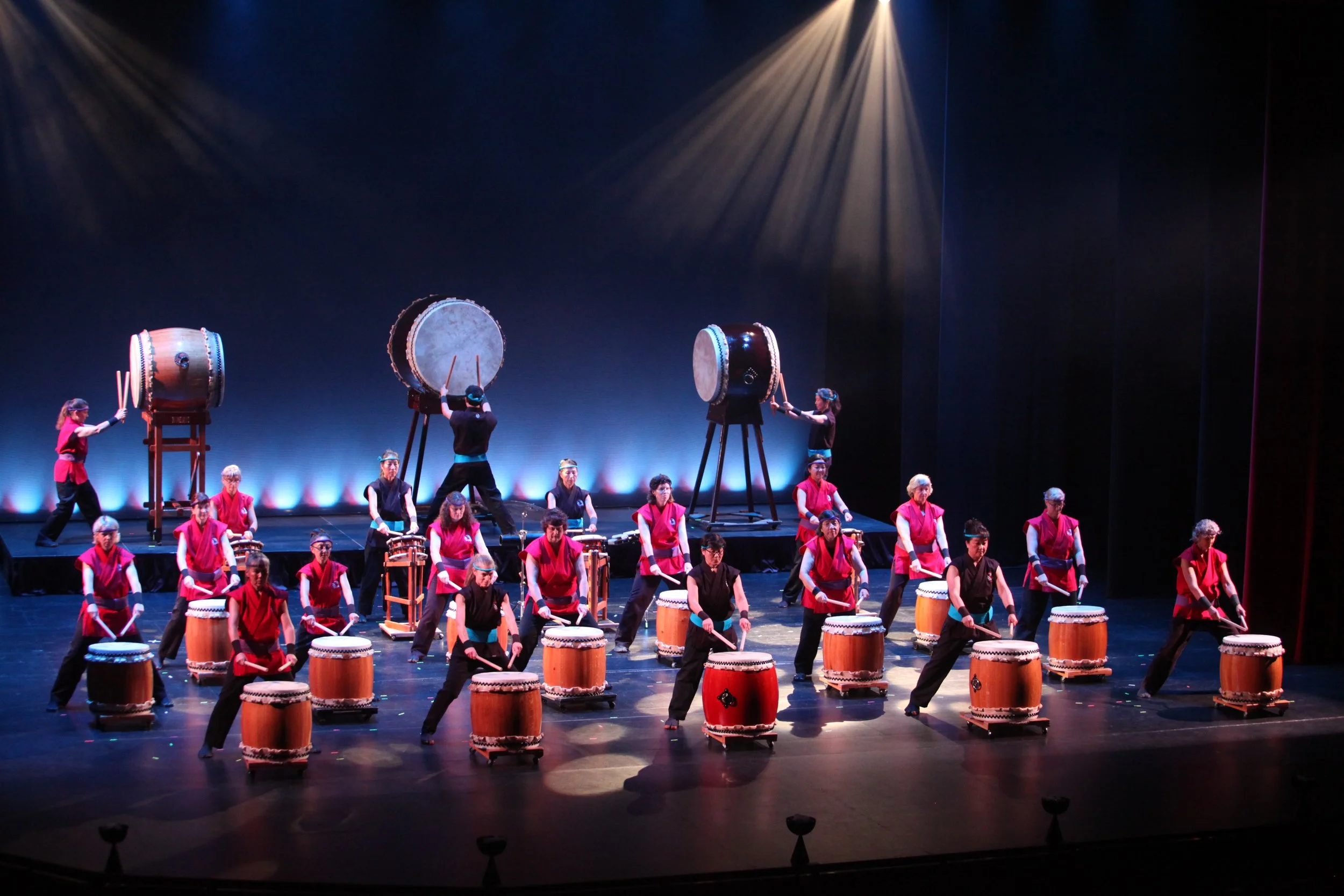
Taiko sound should be felt, not just heard. To produce a powerful taiko sound, students focus on developing physical skills to create clearer sounds, improve rhythm coordination, and build stamina to sustain energy. The class emphasizes training in all aspects of working together to synchronize the drumming and be effective group members.
Children’s Classes
Beginner’s Class - Watsonville Taiko Junior Class
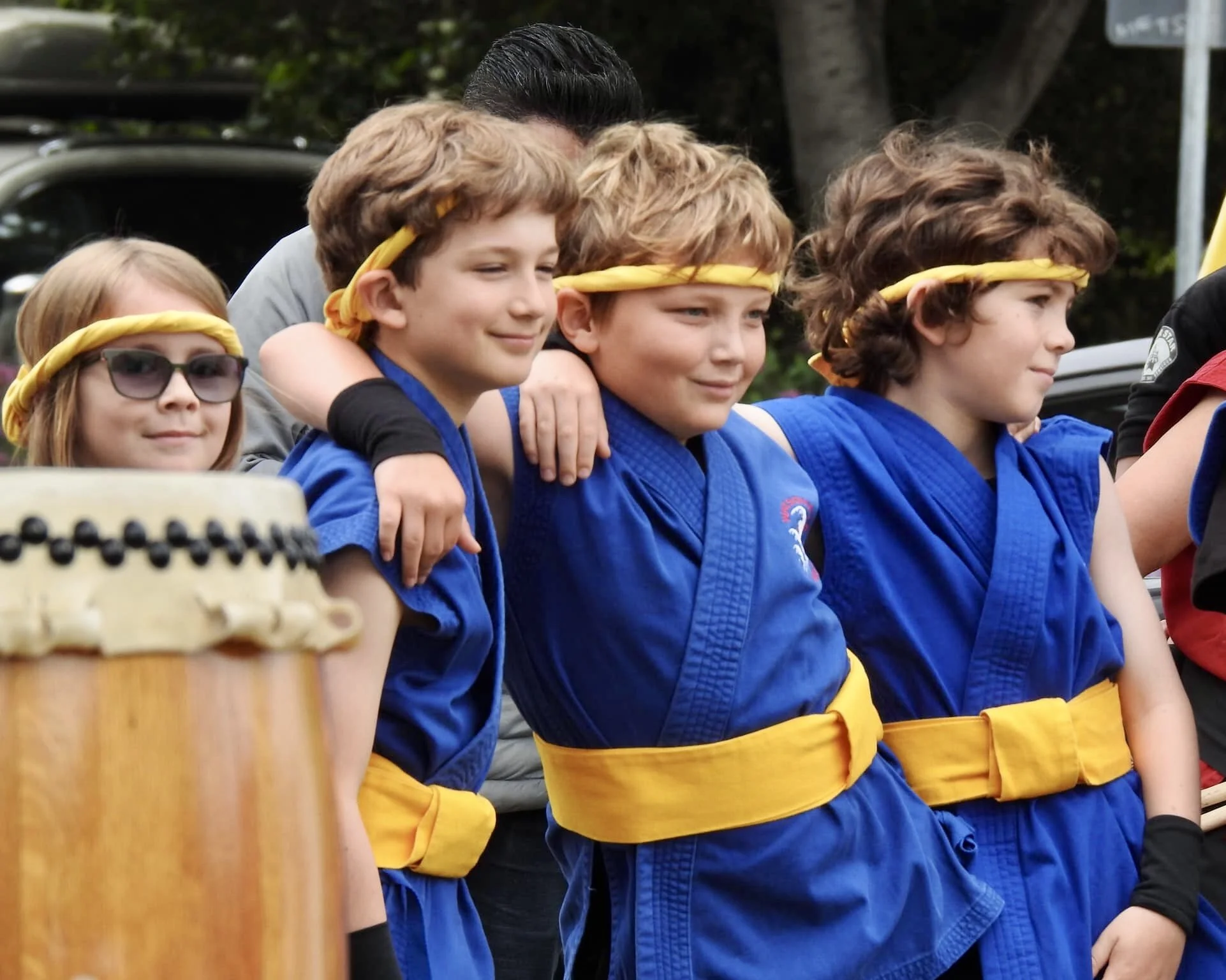
The class focuses on basic classroom manners to improve listening skills and attention span. Repetitive physical movements, simple rhythmic exercises, and counting are emphasized to support gross-motor skills and rhythm. Kuchishoga, the traditional method of singing the taiko notes, is introduced to help learn music pieces.
Community Performer’s Program – Shinsei Daiko
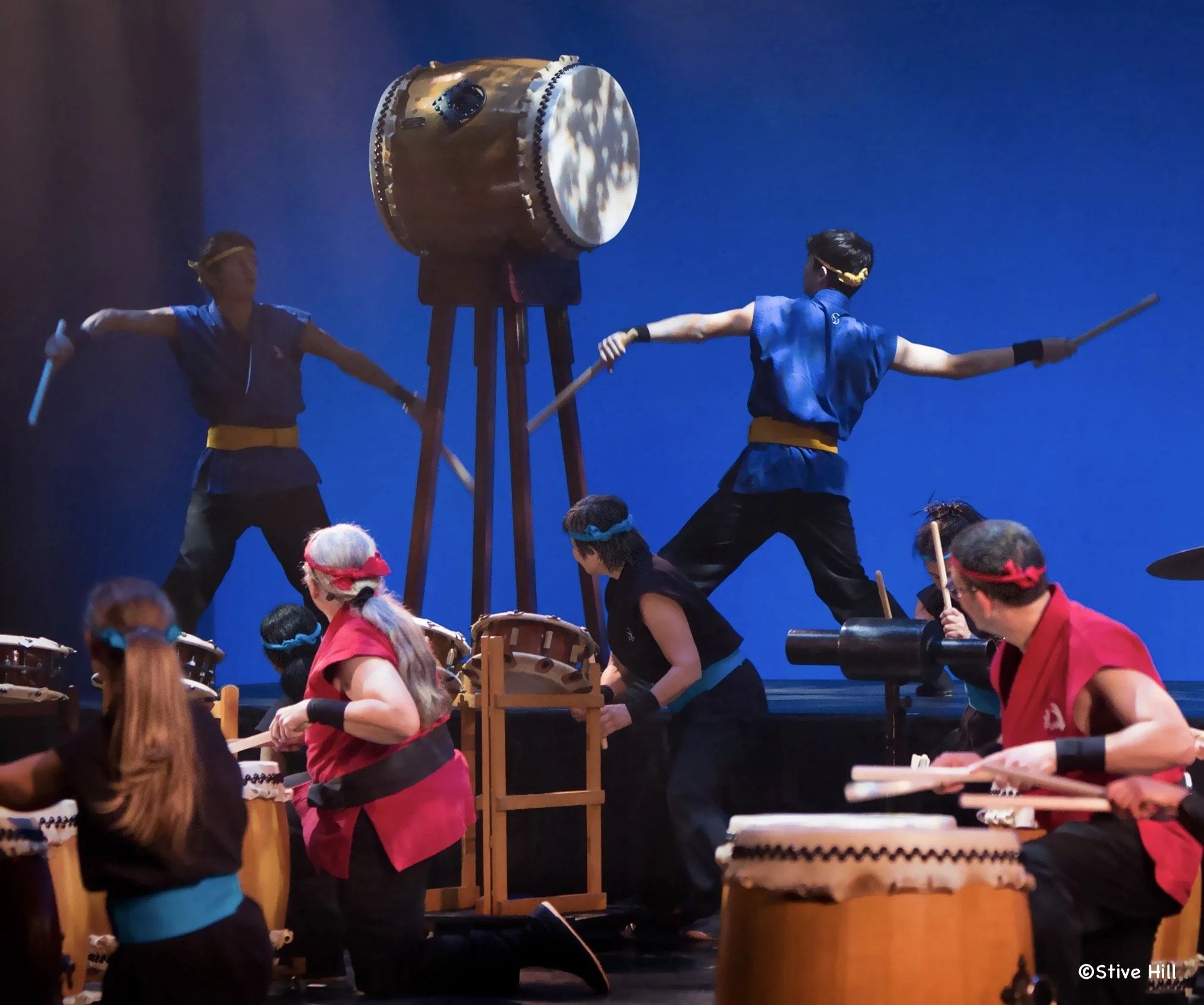
The physical training in this program aims to strengthen the body's core and improve endurance, coordination, and speed. It helps students produce deeper sounds using various music patterns to prepare for performances and work together as a team.
The Goal of our Taiko Training
When students choose to study taiko drumming, they will learn drumming techniques and proper dojo behavior to support their personal growth and their ability to work well with others. Please recognize that you have chosen to learn a Japanese art form. The purpose of this art and dojo teachings is to promote the cultural value of “WA” (social harmony) and to cultivate self-discipline that helps you connect with your true self and show respect for others. The ultimate goal of this art is to enhance “the universal quality of ‘being fully human.’” We hope that students and supporters of taiko will understand this broader purpose through their practice.